

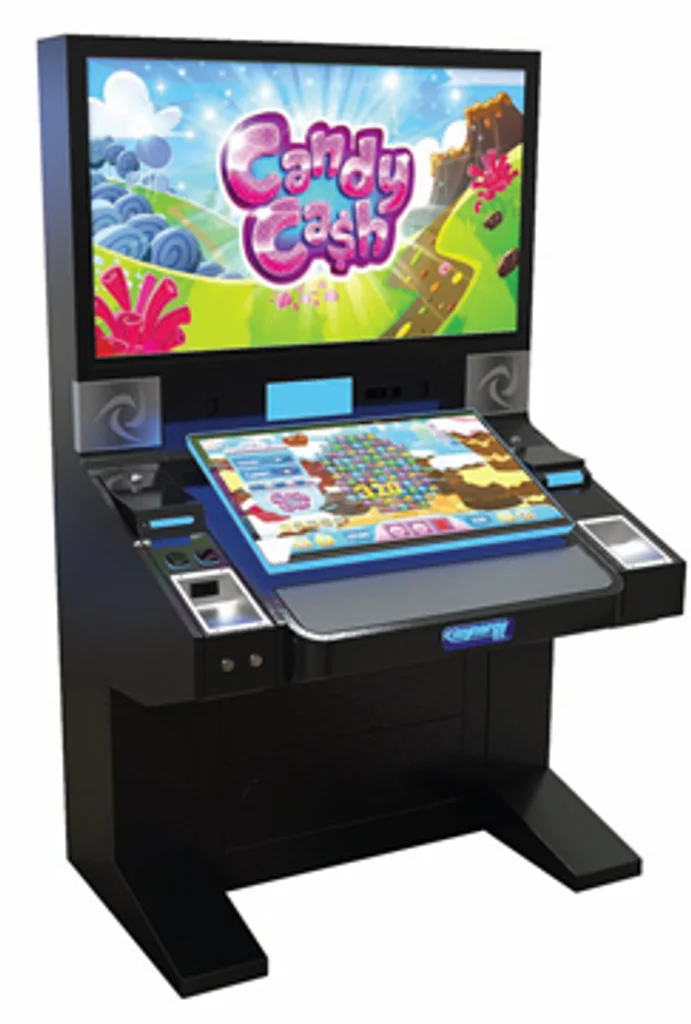
Walk onto a casino floor today, and you’ll notice something’s different. Sure, the classic slot machines still hum and flash, and the green felt of the blackjack tables remains. But nestled between them, you’ll find something new: sleek, interactive terminals that look more like high-end arcade cabinets. These are skill-based gaming terminals, and they’re quietly reshaping the entire casino experience. Let’s dive in.
What Exactly Are Skill-Based Games?
Here’s the deal. Traditional slots are games of pure chance. You pull the lever or press the button, and a Random Number Generator (RNG) decides your fate. Skill-based games flip that script. Your outcome depends, at least in part, on your own ability. Think timed puzzles, target-shooting sequences, or short strategy challenges. The better you are, the higher your potential payout. It’s a blend of gambling and gaming—literally.
Honestly, the concept isn’t brand new. Poker has always had a skill element. But these terminals package that idea into a fast, self-contained unit that fits right next to a slot machine. They’re designed to appeal to a generation that grew up with controllers in their hands, not pull tabs.
Why Casinos Are Betting on Skill
Casinos aren’t just chasing a fad. They’re addressing a real, pressing pain point: the aging demographic. The classic casino visitor is, well, getting older. Millennials and Gen Z players often find traditional slots boring—passive and isolating. They crave engagement, competition, and a sense of agency. Skill-based terminals offer exactly that.
It’s a strategic move. By diversifying the floor mix, properties create a wider social and entertainment hub. They’re not just a gambling destination anymore; they’re aiming to be a fun, interactive playground. And that shift in identity is crucial for long-term survival.
The Direct Impact on the Traditional Floor Layout
So, what does this look like in practice? The physical space of the casino is evolving. Rows of identical slot machines are giving way to more varied “entertainment zones.” You might see:
- Clustered Terminals: Groups of skill games facing each other, fostering a sense of competition and community. It gets louder, more energetic.
- Hybrid Machines: Games that start with a skill-based bonus round triggered from a traditional slot spin. A clever bridge between old and new.
- Dedicated Lounges: Areas that feel more like a sports bar or an esports arena, with spectator seating and even tournament setups.
The atmosphere changes. The constant, monotonous jingle of slots is now punctuated by the sounds of virtual explosions, victory fanfares, and the groans of players who just missed a target. The sensory palette of the casino floor expands.
The Player Psychology Shift
This is where it gets fascinating. The psychology of a skill-based player is fundamentally different from a pure chance gambler. With slots, losses can be written off to “bad luck.” With a skill game, a loss can feel personal—”I wasn’t good enough.” But conversely, a win delivers a powerful dopamine hit of accomplishment, not just fortune.
That sense of control is a double-edged sword, you know? It’s more engaging, but it can also lead to longer play sessions. Players think, “I can master this,” which is a much stickier hook than, “Maybe my luck will change.” Casinos have to navigate the responsible gaming implications of this carefully, a whole new challenge in itself.
Operational Challenges and Opportunities
For casino operators, rolling out these games isn’t as simple as plugging them in. The regulatory landscape is a patchwork. Different jurisdictions have different rules on what constitutes a game of “skill” versus “chance,” and the math models—how the house edge is maintained while still rewarding skill—are incredibly complex.
| Traditional Slot Machine | Skill-Based Terminal |
| Revenue is predictable, based on hold percentage. | Revenue can vary more based on player skill level. |
| Low engagement, high “time on device.” | High engagement, but potentially shorter, more intense sessions. |
| Appeals to a traditional, older demographic. | Targets a younger, tech-savvy demographic. |
| Minimal marketing needed; players understand the product. | Requires education and “how-to-play” marketing. |
Maintenance changes, too. These aren’t just simple mechanical reels; they’re sophisticated computers with touchscreens and complex software. The technical support team needs new skills. And let’s talk about game lifespan. A popular slot theme can last for years. A skill game might feel outdated as quickly as a mobile app if it’s not updated or refreshed.
A Nod to the Nostalgia Factor
Interestingly, some of the most successful skill games lean hard into nostalgia. They’re essentially classic arcade games—like Space Invaders or Duck Hunt—with a gambling element layered on top. This is a brilliant bridge. It attracts the younger player with a familiar, fun interface while also pulling in older players who remember those arcade classics. It’s a shared cultural touchstone, right there on the casino floor.
The Future Floor: A Blended Ecosystem
So, are skill-based terminals going to replace the traditional slot machine? In a word, no. Not anytime soon. The future is about integration, not replacement. Think of the casino floor as an ecosystem. The towering, progressive jackpot slots will still be there, acting as the anchor. The rhythmic roll of the roulette ball will still draw a crowd.
But woven throughout will be these pockets of interactive, skill-based play. They serve a different purpose. They’re there to attract a new audience, to increase “dwell time” for a broader crowd, and to create buzz. The most successful properties will be the ones that curate a mix that feels cohesive, not chaotic. That offers something for everyone under one roof—from the pure chance seeker to the strategic competitor looking for a test.
In fact, the real impact might be more subtle than the games themselves. It’s a shift in philosophy. From a place of pure luck to a destination that also celebrates, well, a little bit of practiced talent. And that’s a pretty fundamental change for an industry built on the spin of a wheel.
The casino floor is becoming a conversation—between old and new, chance and control, silence and spectacle. And that conversation is just getting started.


