

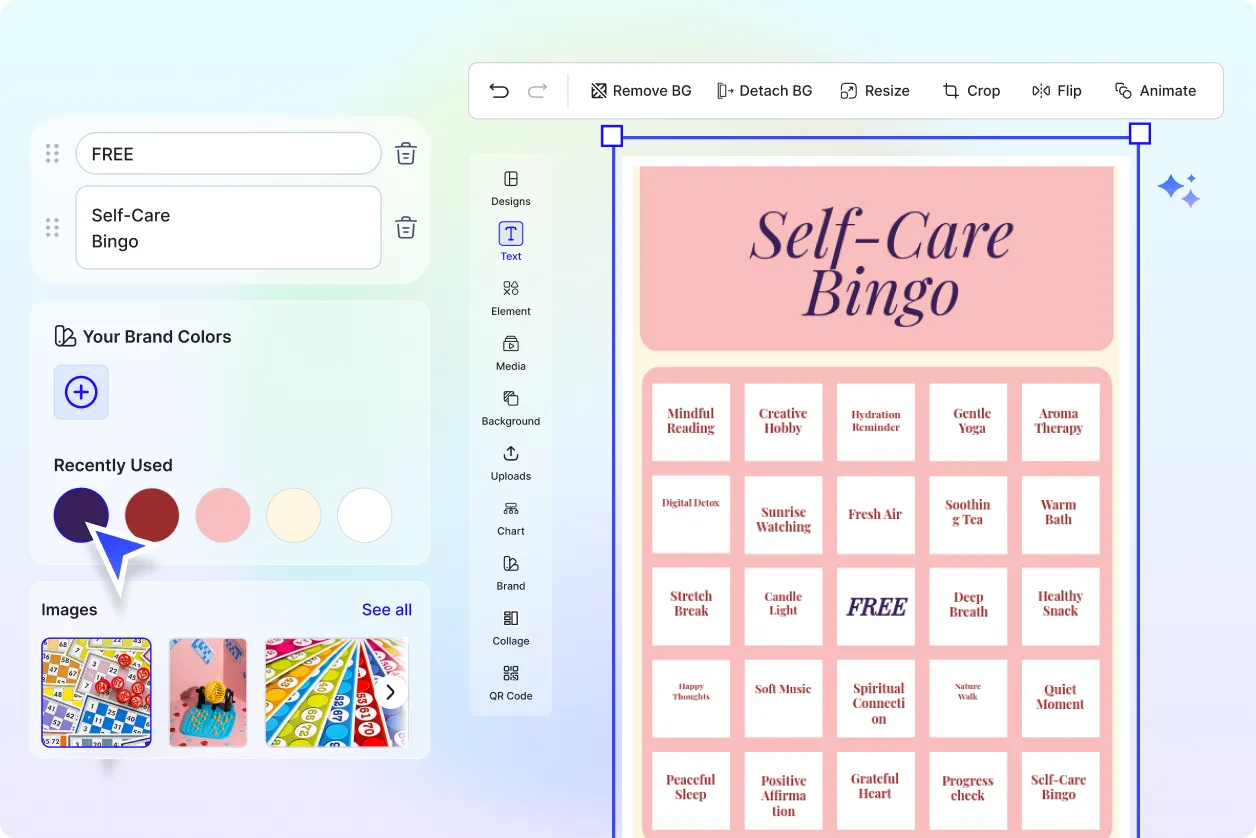
Forget the dusty, quiet halls of your grandma’s community center. Well, okay, don’t forget them entirely—they’re part of the charm. But beneath the surface of daubers, numbered balls, and that iconic cry of “BINGO!” lies a surprisingly rich world of science. Honestly, bingo is a fascinating playground for probability, pattern recognition, and even neuroscience. Let’s dive into the numbers and the neurons behind this beloved game.
The Numbers Game: It’s All About Probability
At its core, bingo is a live-action lesson in statistics. Every time that cage spins and a ball pops out, you’re witnessing probability in real-time. Here’s the deal: in a standard 75-ball U.S. game, each number has an equal chance of being called—at least at the start. The odds of your specific number being the first one called? A neat 1 in 75.
But the math gets more interesting as the game progresses. This is where our intuition can trip us up. You know how you’ll sometimes see a cluster of “G” numbers called and think, “I-25 is due!”? That’s the Gambler’s Fallacy in action. Each ball draw is an independent event. I-25’s odds don’t increase just because it hasn’t been called; they reset with every single draw. It’s always 1 in however many balls are left in the cage.
Your Card Against the House (of Cards)
Think about your bingo card. With 24 unique numbers and one free space, it’s a unique grid against hundreds of others in play. The probability of winning on any given call depends on a ton of factors: how many cards are in play, what pattern is needed, and, well, pure luck. That’s why bingo is ultimately a game of chance, not skill. But managing multiple cards? That’s where strategy peeks in. You’re covering more numbers, sure, but you’re also dividing your attention—a cognitive trade-off we’ll get to later.
Pattern Recognition: More Than Just Shapes
This is where bingo gets visually—and mentally—engaging. We’ve moved far beyond simple straight lines. Modern games feature a wild array of patterns: letters, shapes like butterflies or pyramids, even complex “blackout” or “coverall” calls. Each pattern activates a different kind of visual search in your brain.
When you’re looking for a classic “T” shape, your brain isn’t just scanning each number. It’s chunking the card into sections, identifying potential clusters, and running a rapid visual filter. It’s a mental workout that combines peripheral vision and focused attention. You’re tracking the called numbers globally while simultaneously checking their specific positions on your card. That’s not a simple task.
| Common Pattern Type | Cognitive Demand |
| Straight Line (Horizontal/Vertical) | Lower – Simple, linear scanning. |
| Four Corners | Medium – Requires discontiguous focus. |
| Letter (X, T, H) | Higher – Complex shape mapping. |
| Full Blackout | Highest – Sustained, exhaustive attention. |
The Unexpected Brain Boost: Cognitive Benefits of Bingo
Okay, so bingo is fun and mathematically intriguing. But can it actually be good for you? A growing body of research—and I’m not making this up—suggests it really can offer some genuine cognitive perks, especially for aging brains. It’s not about “winning” brain training; it’s about the process.
Speed and Accuracy: A Mental Workout
Bingo forces you to process information quickly and accurately. You hear a number (auditory processing), find it on your card (visual search), and mark it (motor response). This rapid-fire hand-eye-ear coordination loop keeps your neural pathways active. Studies have shown that regular bingo players can have faster reaction times and better memory for the numbers called compared to non-players. It’s like a light, social circuit-training session for your brain.
Attention and Concentration – The Real Challenge
Ever tried managing six cards while also chatting with a friend? That’s a serious test of divided attention and mental stamina. You’re training your brain to filter out distractions (background chatter, other players’ reactions) and maintain focus on a primary task. In a world of constant notifications, this kind of sustained concentration is a rare and valuable skill, honestly.
The Social X-Factor
And we can’t ignore the social element. Isolation is a real cognitive risk factor. Bingo, whether in-person or in vibrant online rooms, provides structured social interaction. Laughing, sharing a bit of friendly competition, the collective groan when someone just misses a win—this social engagement reduces stress and keeps the mind nimble. The game is just the vehicle for connection.
Modern Bingo: Where Tradition Meets Tech
The science evolves because the game does. Online bingo platforms have transformed the probability landscape. Random Number Generators (RNGs) ensure fairness, but they also allow for faster games and wilder variety. And playing on a screen? It changes the cognitive load again—colors auto-daub, multiple cards are managed easily, which lets players focus more on pattern recognition across a broader field. It’s a different kind of challenge.
So, the next time you pick up a dauber or click a digital card, take a second to appreciate what’s really happening. You’re not just playing a game. You’re engaging in a live statistical event, giving your visual cortex a puzzle to solve, and giving your brain a wholesome, social workout. That’s a pretty good return on a humble bingo card. The real win, it turns out, might just be in playing.


